
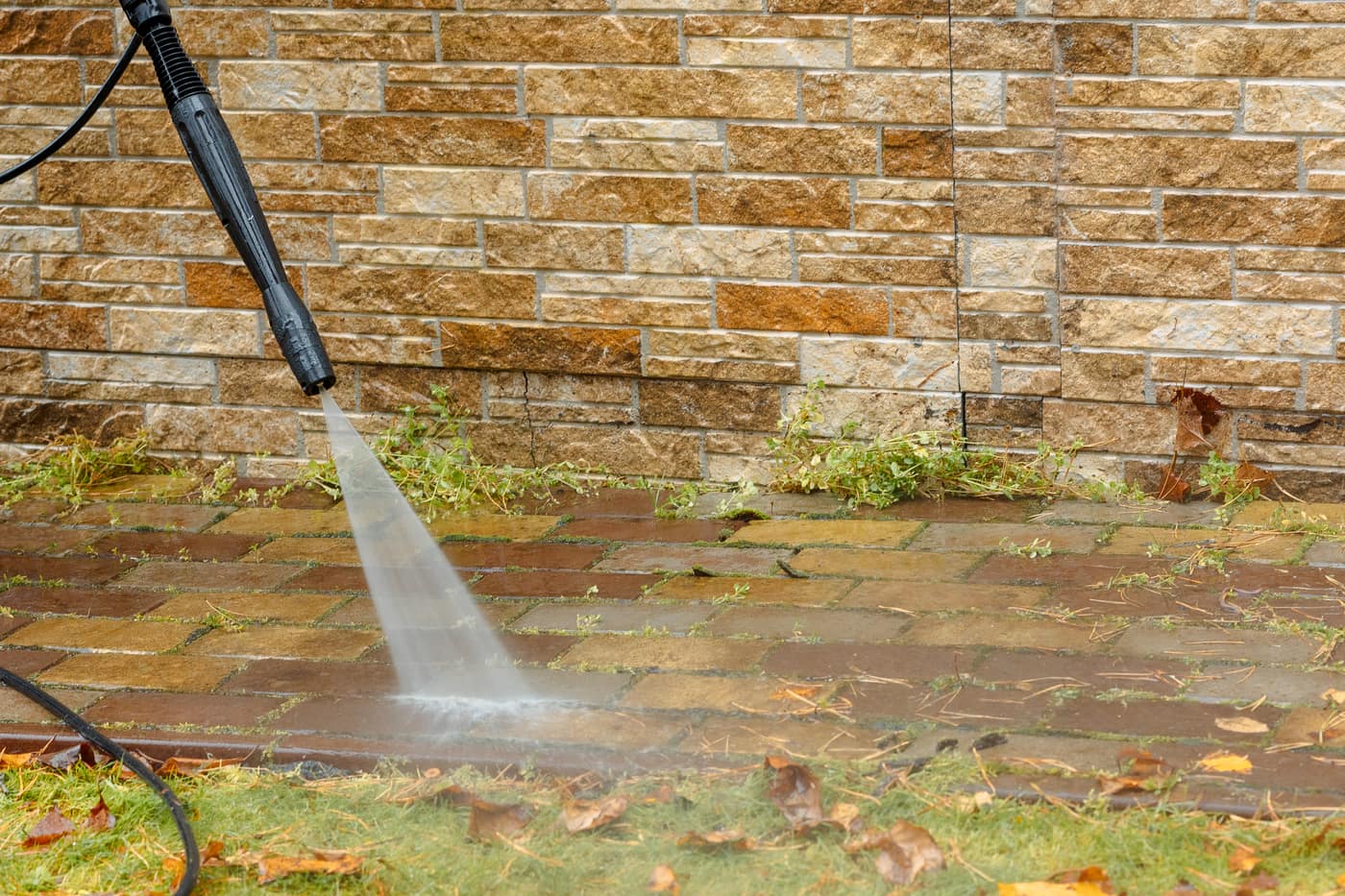
When a pump is stolen off the trailer, a surface cleaner burns in a garage fire or a tank skid is crushed in a wreck, equipment coverage is the policy that buys the business its gear back, within the territory and conditions the policy sets. It is written as inland marine insurance, the kind built for property that moves, and for a wash business it protects the asset the business cannot open without.
For a wash company, the gear on the trailer is what the business cannot work without. The pump, the engine, the surface cleaner, the reels and the tank are bought before the first customer, they leave the base every morning and they come back every night, sometimes not to a building at all. A loss that takes the rig off the road also takes the income with it until the gear is replaced, which is why it belongs in the first conversation about insurance, right beside general liability.
What equipment coverage pays for, and what it does not
A typical equipment policy covers direct physical loss to the equipment listed on it from causes such as theft, fire, collision or overturn of the vehicle carrying it, vandalism, wind and flood, subject to the exclusions the policy names. It follows the gear: at the job, in transit, at the base and, with the right extension, in a rental yard or a repair shop.
It does not cover the customer’s property; damage your work does to a house, a driveway or a car is a general liability question. It does not cover the truck itself, which belongs to commercial auto insurance. And it is not a maintenance plan: wear, gradual deterioration and mechanical failure are commonly excluded, as the section on exclusions below explains.
The wash equipment sits in the middle, with a spoke to each place it can be lost. In the garage at home, a homeowners policy usually limits or excludes business property, so business property coverage or equipment coverage is needed. On the trailer at a job, the gear is away from any premises, which is the ground inland marine equipment coverage is written for. In transit between jobs, equipment coverage follows the gear on the road, while the truck itself belongs to the auto policy. Rented or borrowed gear is someone else’s property in your care, which equipment coverage can include when the policy says so. Stolen from the parked rig overnight, the loss is read under the theft terms of the equipment policy. Where the gear is matters, but the policy text has the last word. No figures are shown.
Why business property on a home policy stops at the driveway
A wash business may start at home, and an owner can assume the homeowners policy covers the rig in the garage. Usually it covers very little of it. Homeowners policies commonly cap business property at a small amount on the residence premises, cap it at even less once it leaves the property, and can exclude property used in a business altogether. The Triple-I’s guide to insuring a home business warns home-based owners about it.
The practical effect is that once the trailer backs out of the driveway, a home policy may offer little or nothing. That is the ground equipment coverage is written for. Business property coverage can protect supplies, a computer and stock kept at the base, but gear that spends its working day on job sites needs a policy that goes with it.
On the road and on the job
Inland marine began as cover for goods in transit, and the Triple-I’s overview of inland marine traces that history. For a wash business the transit part matters every day. A trailer that jackknifes on an exit ramp, a tank skid that breaks loose on a turn, or a surface cleaner that slides off a lift gate are equipment losses, even though the accident involves the vehicle.
The vehicle and the gear are separate claims. The truck’s damage and any liability to other drivers belong to the auto policy; the pump, the reels and the tank belong to the equipment policy. On a commercial job the gear can also be damaged where it stands: a delivery truck that backs into the trailer, a hose reel run over in a parking lot, a fire in a building next to where the rig is parked.
A comparison in columns. Scheduled coverage lists each item by description and serial number with its own value, which suits the expensive machines you would replace item by item, and a new purchase needs to be added to the schedule. Blanket coverage covers a class of equipment up to an overall limit, usually with a cap per item, which suits the hoses, wands, tips and small tools that change every season. Many wash businesses use both: the large pieces scheduled and the small gear on a blanket. How a given schedule is built is a choice made with the agent. No figures are shown.
Scheduled or blanket: two ways to list the gear
A scheduled policy lists each covered item by description, serial number and value. It suits the machines that carry most of the investment, such as a hot-water skid, a gas engine and pump, or a large surface cleaner, and it can simplify a claim for one of them. The discipline it asks for is keeping the schedule current: a new pump bought in spring and never reported may not be on the policy in summer.
A blanket policy covers a class of equipment up to one overall limit, usually with a cap on any single item. It suits the small gear that wears out and is replaced constantly: wands, tips, guns, hoses and hand tools. A wash business may well use both, the big pieces scheduled and the small gear on a blanket, and some policies add a newly-acquired-equipment clause that covers a purchase for a short period before it is reported.
Theft, the overnight stop and mysterious disappearance
Theft is a loss to plan for, especially when nobody is watching the rig: the trailer left hitched in a driveway, a rig parked outside a motel on an out-of-town job, a truck stopped for fuel with the reels in plain sight. Equipment policies cover theft, but some attach conditions, such as requiring that a trailer be locked, that gear be secured to it, or that an unattended vehicle show visible signs of forced entry.
Mysterious disappearance is the other half. Gear that is simply gone, with no sign of a break-in and no clear moment when it was taken, is excluded by many policies or covered only when the policy says so. A wand set down at one job and missing at the next, or a hose that never came back from a commercial site, can fall here. Ask how the policy treats theft without evidence of forced entry, and whether it covers mysterious disappearance at all.
Rented and borrowed equipment
A large commercial job can call for a hot-water unit, a lift or a recovery system the business does not own. The rental agreement may well make you responsible for the unit until it is returned, and the rental company may sell its own damage waiver at the counter. Many equipment policies offer a rented or borrowed equipment extension instead, with its own limit, and some can include the rental charges you keep paying while a damaged unit is out of service. Equipment borrowed from another operator is someone else’s property in your care, and the same extension is usually what answers for it.
Breakdown, freezing and the other exclusions
Equipment coverage is built for sudden, accidental loss, and its exclusions mark the line. Wear and tear, gradual deterioration, rust and corrosion are commonly excluded. Mechanical and electrical breakdown is commonly excluded unless an endorsement adds it back. Damage from freezing deserves its own question, because a pump or an unloader left with water in it on a cold night can crack, and some policies treat that as excluded neglect. Loss to equipment while it is being worked on, overloading beyond the maker’s rating and intentional acts are the others to look for.
None of this is unusual, and none of it makes the coverage less worth buying. It makes the questions specific: whether a breakdown endorsement is offered, how freezing is read, and whether the policy covers the gear while it sits at a repair shop.
What a claim pays: new gear or depreciated value
How a claim is valued decides whether the payment buys a working rig. Replacement cost pays what it takes to buy comparable new equipment. Actual cash value subtracts depreciation, which can leave a large gap on gear that is a few seasons old and still doing a full day’s work. Some policies use replacement cost until an item reaches a certain age and actual cash value after; others let you choose when the policy is written. For a business that would have to replace a pump the week after it was stolen, the valuation clause matters as much as the limit.
Limits, deductibles and the schedule
The limits on an equipment policy are built from the gear itself, not from a contract. A scheduled item’s limit is the value you list for it; a blanket limit should be set at what it would cost to replace the whole class of small gear at once, because a single trailer theft can take all of it. The deductible commonly applies per occurrence, and a higher deductible lowers the cost of the policy at the price of carrying small losses yourself. An up-to-date list with serial numbers, purchase dates and photographs makes the limit easy to set and a claim easier to prove.
Why Pressure Washing Business Insurance
Equipment coverage is only as good as the list behind it, so that is where we start. We ask what you own, what you rent, where the rig sleeps, whether the trailer is on the auto policy, and how quickly you would need to replace a pump. With that list in hand we approach the insurers on our panel that write wash equipment, and we read the terms that decide wash-equipment claims: theft conditions, mysterious disappearance, the rented equipment extension, freezing and breakdown, and the valuation clause. For the liability side of the same rig, see how the whole wash-business program fits together.